The week we owned it
Fourfold
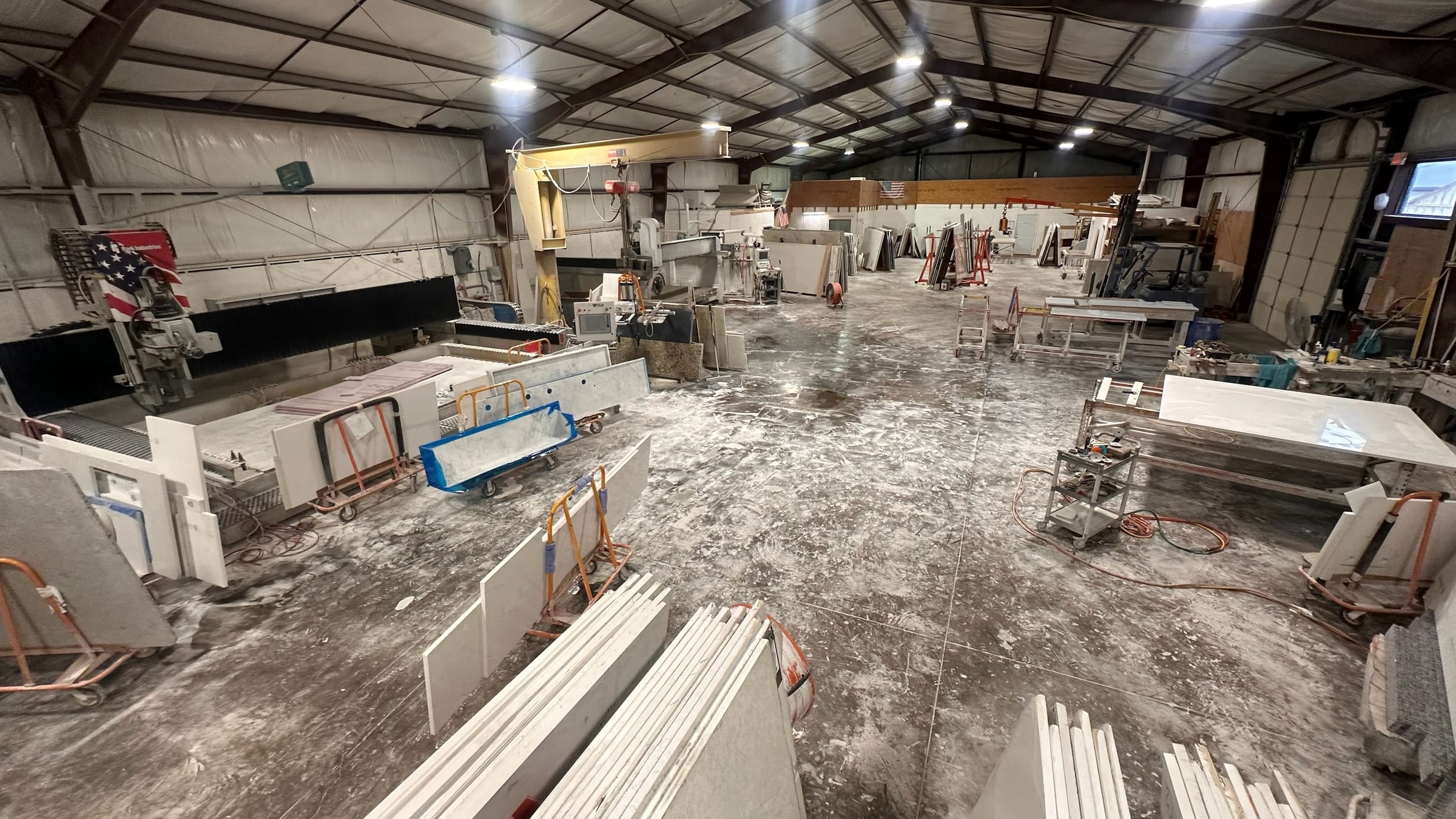
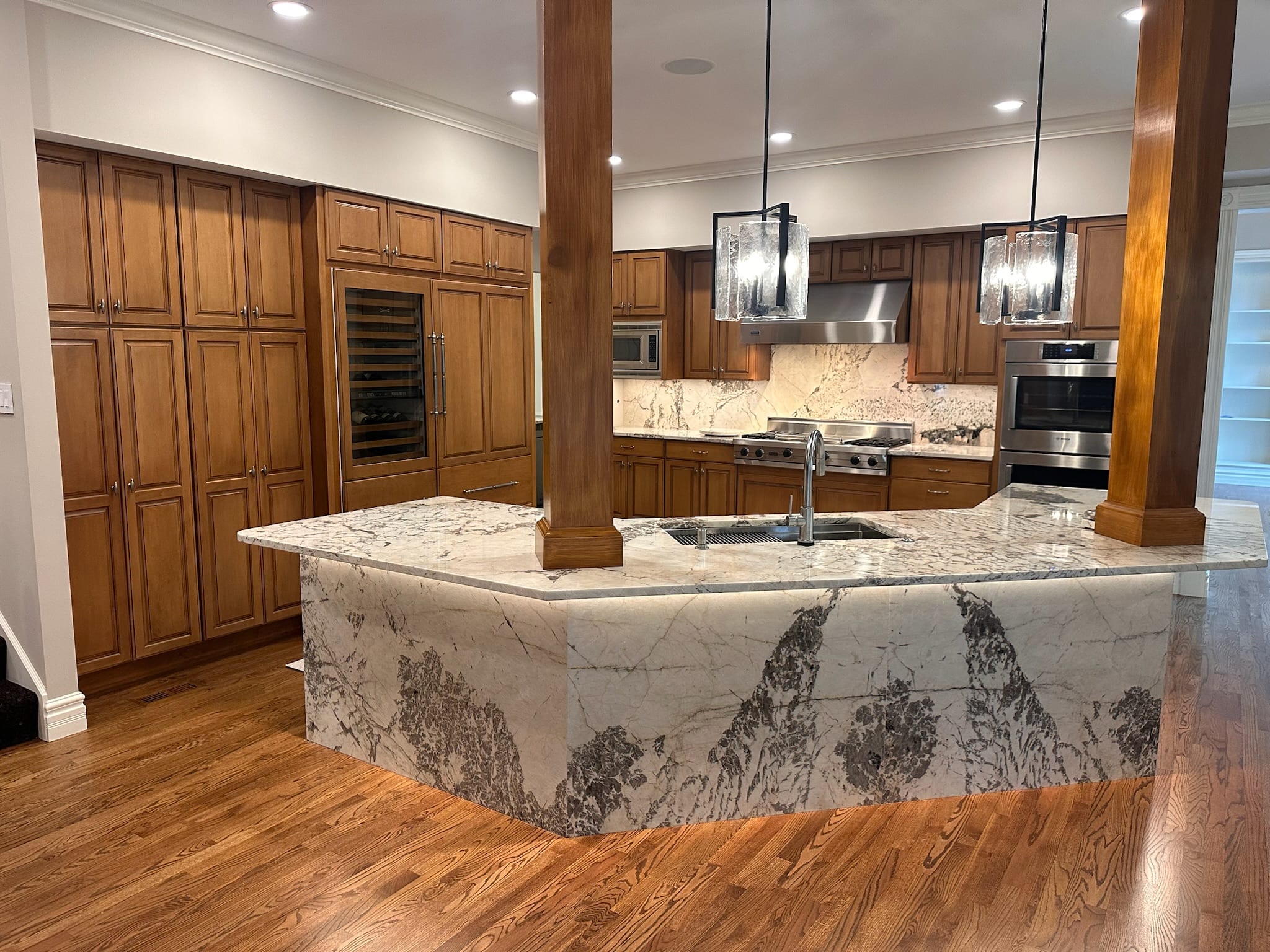
On Friday, Ryan drove to the shop to pick up a core bit so he could go drill a hole in a finished granite countertop. That’s not Ryan’s job. Honestly, it isn’t anyone’s job on a Friday, because Fridays aren’t shop days for us. But the hole was in the wrong place, a customer was waiting, and there wasn’t anyone else. He came home rattled and a little proud of himself and told me he’d spent the entire drive thinking about what it means to own something.
I’d been thinking about that all week too. Just from the other end.
My version of ownership was a phone in my hand, in the car, all day, every day. A question about an install turns into a question about tomorrow’s schedule, which turns into a question about where something is, which turns into me answering something that somebody else was hired to answer. We have a group text for the installation crew and our general manager is in it, and somewhere in the last few months he quietly stopped answering. Not because he’s incapable, not because he doesn’t care, and not because anybody made a decision about it. He stopped because I’m faster, because I’m the owner, and because the guys know they can get an answer out of me in ninety seconds. So they ask me. And I answer. And that, it turns out, is the whole mechanism.
I’ve spent a long time complaining that I’m the default answer around here. The phone rings, I pick up. Someone can’t find something, I find it. Something goes sideways on a job site, I figure it out. Then I wonder why it all keeps coming back to me. This week I finally had the uncomfortable realization that I’m not just the default answer. I’m one of the reasons there is a default answer. I built it, one small helpful reply at a time.
The part that stings is that I don’t think I do it for control. Most days I’m pretty sure I do it because I want to help. When someone calls with a problem, my brain goes straight to okay, what do we know, what can we do, and that feels productive, and sometimes it is. But there’s a real difference between solving a problem today and building a business where nobody has to bring me that problem tomorrow, and I’ve been choosing the first one over and over for years. Which means the people around me aren’t doing anything wrong. If I’m always available, why wouldn’t they call? If I always answer, why would anyone learn to go somewhere else? That’s not a people problem. That’s an ownership problem, and it’s mine.
The rest of the week gave me plenty of chances to practice the lesson, and I wouldn’t say I passed. We told a supplier we’ve relied on for years that they’re no longer our supplier of record, which was a hard conversation with people who have been good to us. The history doesn’t disappear just because the business needs something different. Switching means committing to material orders big enough that I’m watching the calendar against what’s actually coming in. We were short a man in the shop. Our manager was sick all week and apparently believes sick days are a concept that applies to other people. And we had a run of small job-site errors, which never arrive alone and which always end up on my phone as three blurry photos and a text message I’m expected to reconstruct an entire afternoon from.
The good news barely registered, which probably tells you more about the week than the good news does. Novaclad was approved by the App Store — two years of work, the first thing of its kind to market — and it landed on a Tuesday when we were too tired to mark it.
And then on Thursday, the water tower site went live. A few weeks ago I offered to build a website for the preservation society, and I’d already mocked one up in my spare time, which tells you something about both my hobbies and my understanding of the word “spare.” The tower has stood in our neighborhood for a hundred and fifty years and the campaign to save it is a real number with a lot of zeros, so of course I thought: I can build a website. Then it became Ryan’s project too, and Spinoza’s pro bono work, and it took over a week that didn’t have a spare week in it. But it’s done, it’s live, and it’s good. I’m glad we did it. I’d do it again — which is sort of the whole point of everything else I’m about to say.
Home
The week after Labor Day always feels strange. Summer is officially over, the pool is closed, and we take that harder than grown adults should. It rained hard for two days, the first real rain in a month, and the rest was gray, and so were we.
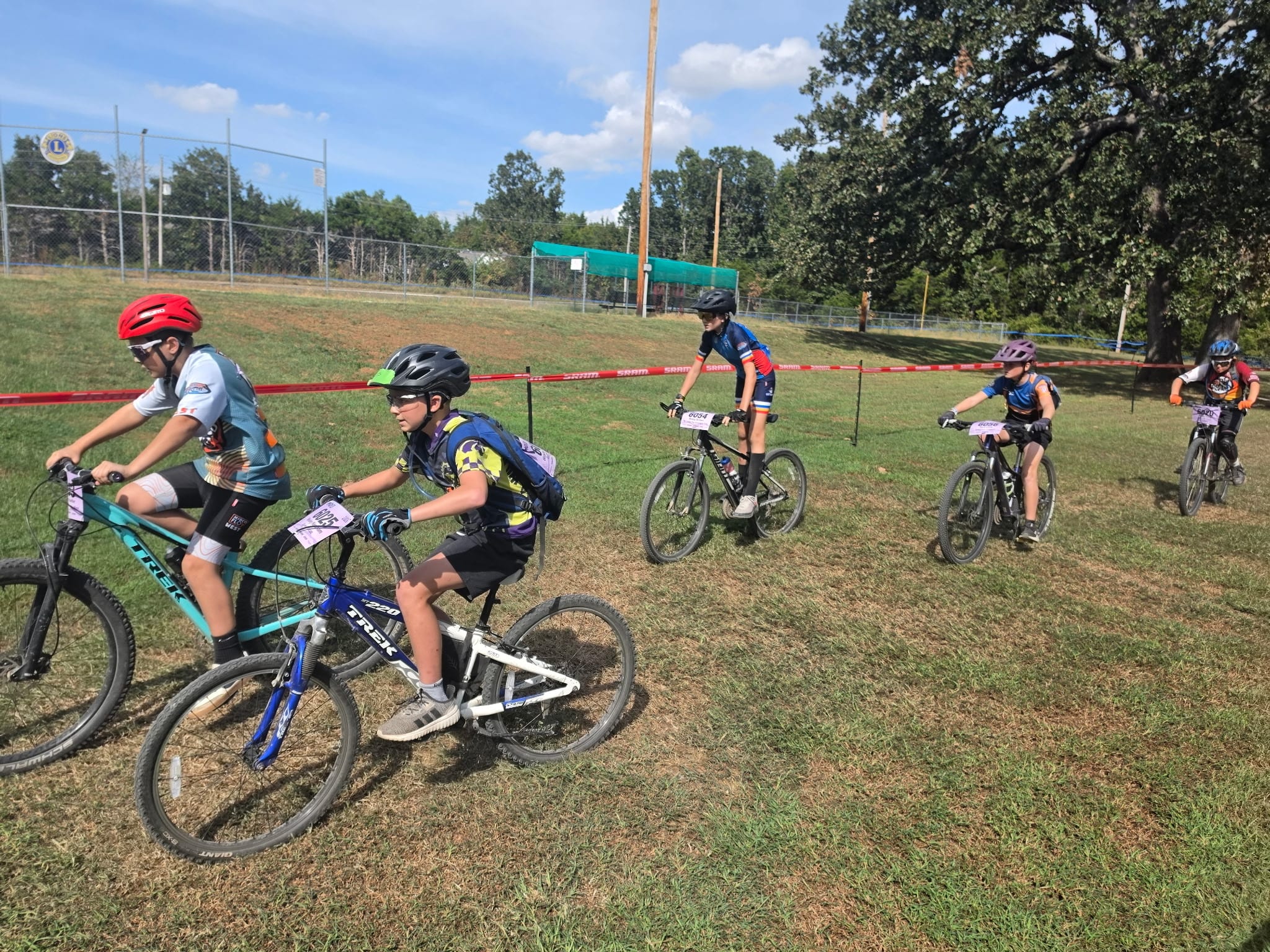
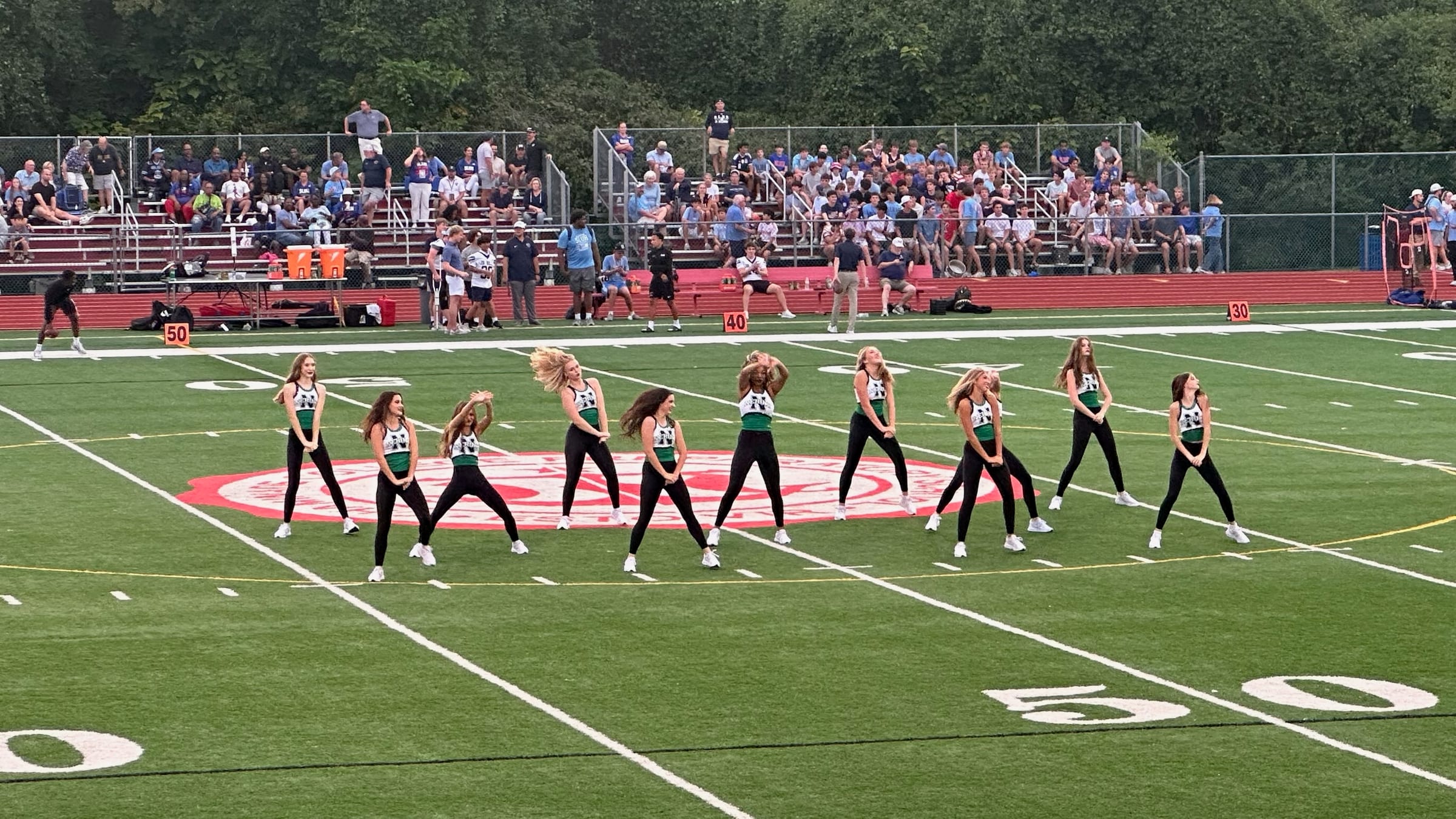
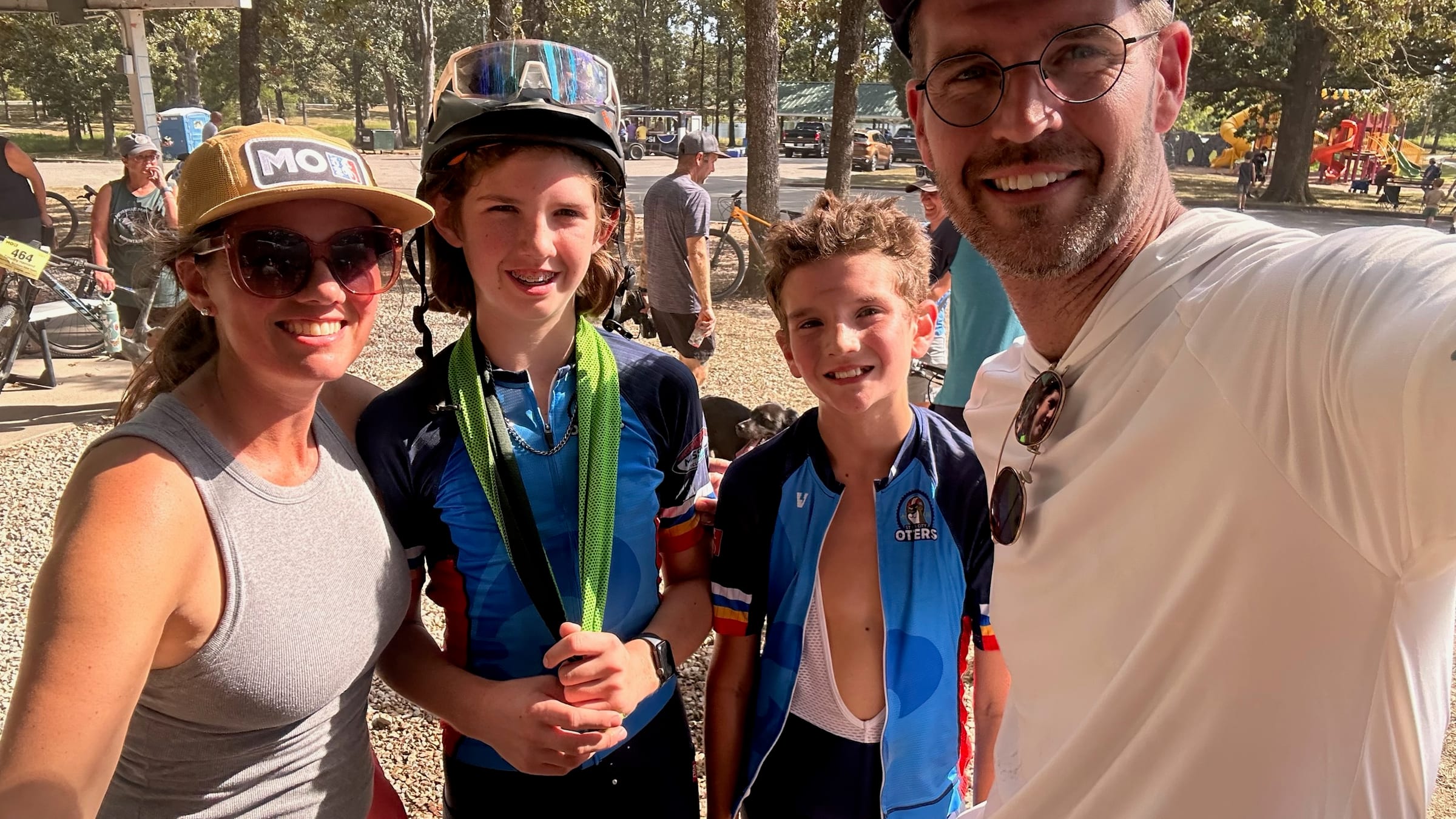
Then it turned without us doing anything about it. Football’s back. The weather is breaking, which means outdoor jobs start moving again. Tonight our daughter dances at a football game — new school, new team, first time we get to see the routine. Tomorrow we drive out to Rolla for a mountain bike race with the boys, there’s a hotel, and that country is beautiful. There is apparently a version of our life that exists outside of countertop fabrication, and I like her a lot.
Ryan and I keep circling the same conversation about the kids. None of this is theirs to carry, and I don’t want it to be for a very long time, but they’re watching us do it, which means they’re learning something from it whether we teach it on purpose or not. They see us work. They see us tired. They see us say yes. What I don’t want them to take from that is simply that work is hard — they already know that part. What I want them to understand is that being someone other people can rely on is a good thing, and that you get to choose what you take responsibility for. Those are two different lessons, and I’ve historically only been good at teaching the first one.
Our oldest has started volunteering for things. I watch her do it and I feel two ways at once: proud of her, and quietly hoping she doesn’t inherit my particular brand of responsibility, the one where saying yes is easy and figuring out how to say no comes about fifteen years later.
What we learned
Nobody put any of this on us. That’s what Ryan said on Friday night, and he’s right, and that’s the part that’s hard to sit with. We volunteered for nearly all of it. We went out and convinced people we were capable of carrying it, they believed us, and now their belief is sitting on top of the original weight: nine employees, partners depending on Spinoza, a preservation society, four kids, two dogs, and a business that needs something from me before I’ve had coffee.
And if somebody lifted all of it tomorrow, I know myself well enough to know I’d be miserable inside a week and out hunting for the next thing to pick up. So the question was never how to put it down. The question is how to tell the difference between something that is mine to carry and something that is merely available for me to carry — because I keep assuming that if I can solve it, I should, and being capable of carrying a thing does not actually make it yours.
Here’s where I landed, and it’s less noble than it sounds. My problem isn’t that I own too much. It’s that I keep quietly assuming things that already belong to someone else — my manager’s crew being the clearest example — and then resenting the weight of them. That’s not generosity. That’s a habit.
The good news, if you can call it that, is that if I helped build the system that makes me the default answer, then I can help build a different one. That’s going to mean not answering some questions I’m perfectly capable of answering, letting other people be uncomfortable for a minute, and being noticeably bad at all of it for a while. But I think that’s the actual work. Not owning less, not caring less, not becoming less useful.
Just learning that owning it and doing it are not the same thing. I’m apparently only good at one of those.
Ask me in six months.