The week we had to buy a year of material
Fourfold
Our supplier called on a Tuesday, from Salt Lake City, to say prices were going up twenty-five percent. Maybe fifty. They weren’t sure yet. What they were sure about was that our open purchase orders — signed contracts, quoted jobs, customers with deposits down — would reprice at whatever the number turned out to be.
We had about a week to decide whether to buy a year of material or find out if we still had a company.
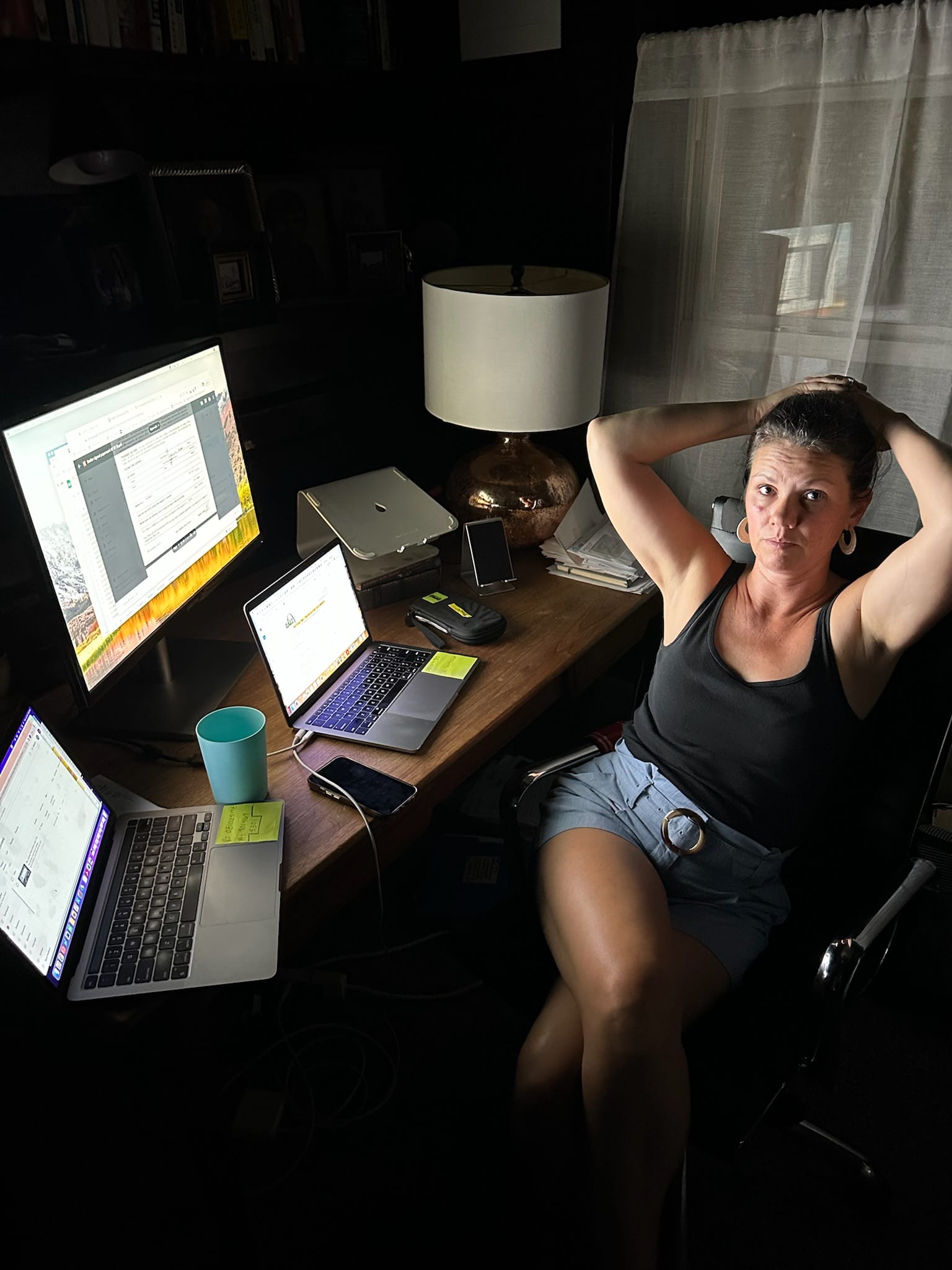
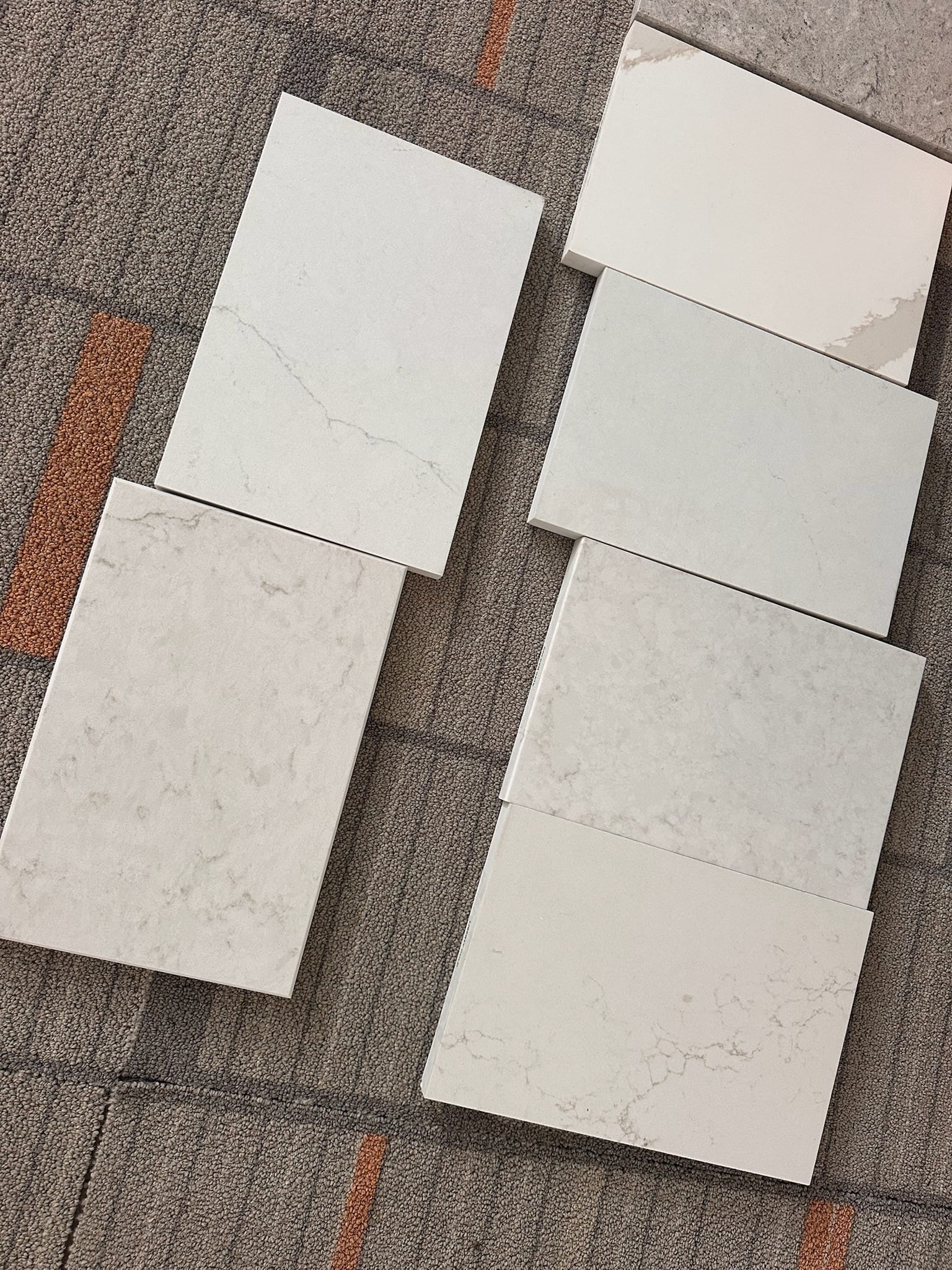
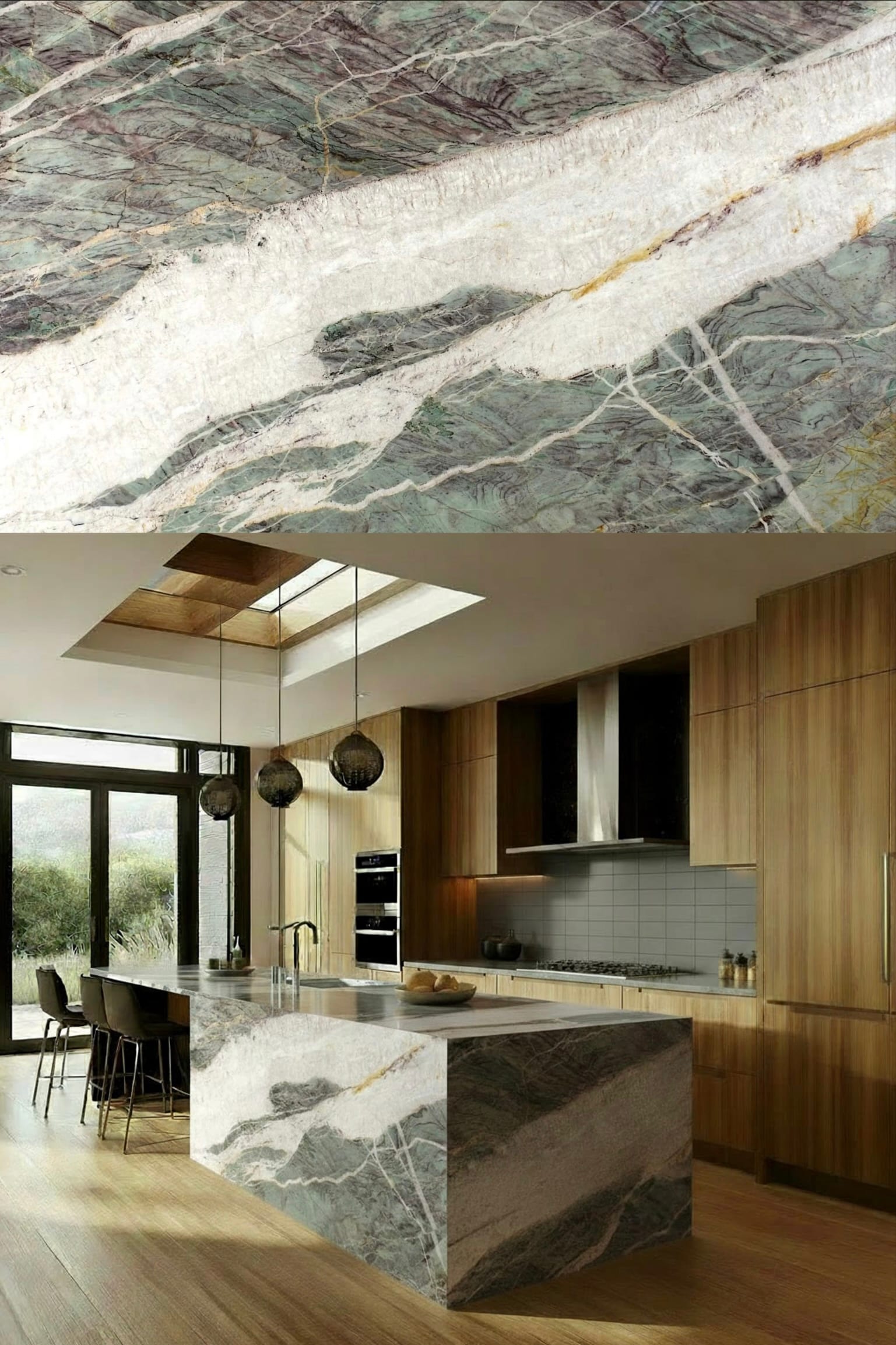
Audrey ran the front of it. Calls to our builder client, calls back to the supplier, most of them spontaneous, most of them from a truck or a driveway. Teams meetings from the shop. Half the business moved by text message. Some colors we simply couldn’t get anymore, so she drove around the region collecting samples and delivering them to customers’ houses, trying to show somebody that a stone they hadn’t chosen was close enough to the one they had. Some of it we did together. Most of it we divided up and compared notes at eleven at night. By the end we’d switched suppliers entirely. Seven days, start to finish.
All week there was a second thing running in the back of my head: the app. Novaclad is sitting in the App Store queue waiting for approval, and I’d spent months photographing and cataloging every material from the supplier we were about to leave. Obsolete in an afternoon. I get to do all of it again.
Here’s the part I didn’t expect.
To make the decision at all, we had to get completely current on our numbers — not the version you keep in your head, the real one. What we found was worse than we thought. There was a cliff in front of us and we hadn’t seen how close it was, because nothing had forced us to look.
So we looked, and then we moved. We leaned on our builder client harder than we ever had and worked out a direction together. The supplier we switched to gave us better pricing and bigger slabs, which improves our yield, which puts our margin back where it needs to be. That change may end up being the thing that saves this business. We would not have made it on our own. Somebody had to put a gun to our heads.
And the app problem turned out to be the same shape. Recataloging everything means finally going into the shop and cataloging our remnants — the offcuts stacked against the wall from the old supplier — and listing them as inventory somebody can actually buy. Material we were going to eat the cost of. We couldn’t have done that before Novaclad existed. The thing that created the work is the thing that made the work worth doing.
Aggravating and useful turn out to be the same thing more often than I’d like to admit.
Home
It happened to be the first few weeks of school.
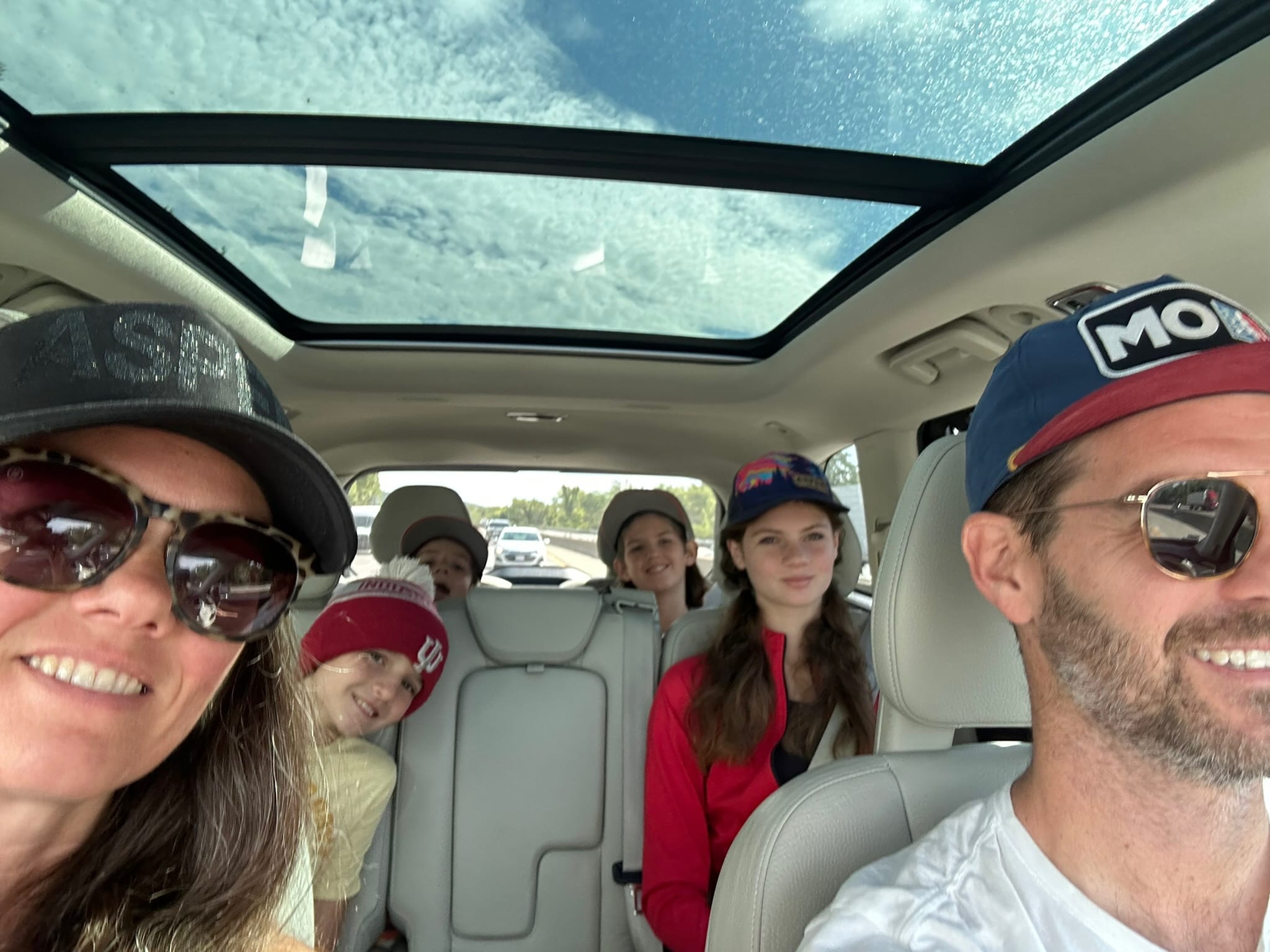
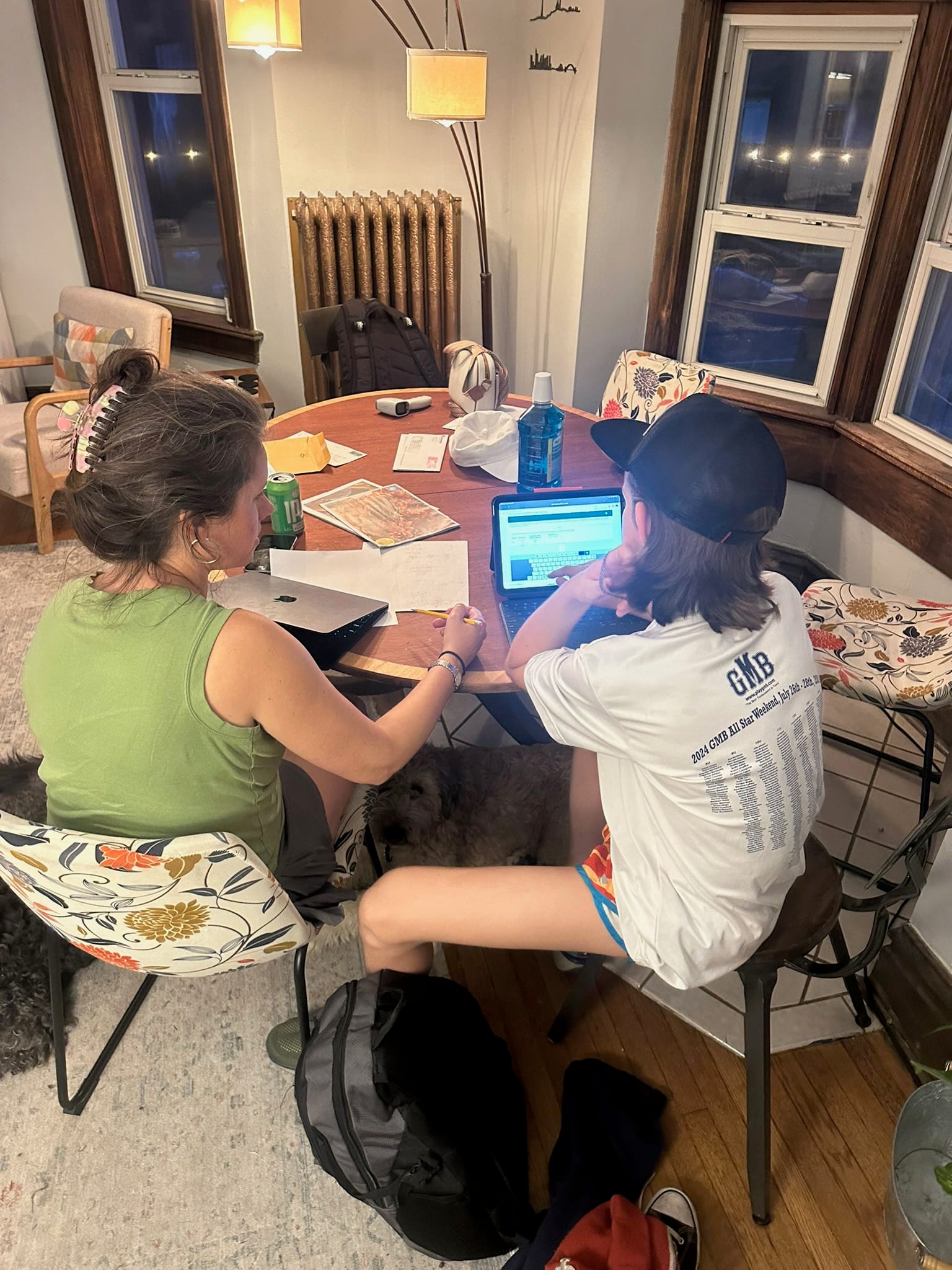
Six people and two dogs in a house in the city. Three schools, three drop-offs, four sets of activities. Grandparents called in to shuttle kids to lessons we couldn’t get them to. This is the stretch where you find out who their teacher is and whether they like her, when homework starts coming home and somebody has to notice whether it’s getting done. We caught some of that. We missed a fair amount of it.
We ate dinner with our phones on the table, because that week the pings really were that important, while telling our children that screens don’t belong at the table. Both of us lost our tempers more times than I want to write down. Both of us apologized to kids who hadn’t done anything wrong. And both of us went to bed wondering what we were modeling.
A week like this puts a hard light on the household, too — what things cost, how big the house is, whether somebody needs new shoes this month. You don’t examine any of that when things are calm. Which is exactly the problem.
What we learned
We keep coming back to something we haven’t resolved. We would be better at all of this if we worked for somebody else. If this were a client’s crisis I’d have been sharp and calm and useful, the best version of myself, on someone else’s problem. But it’s ours, and we’re holding the bag, so we get the worst versions instead. It’s a surgeon trying to operate on their own child. Too close to trust your own hands.
What we think we learned: you can’t be the grasshopper. He plays music all summer. The ant builds the colony and stores the food and looks like a joyless drudge right up until the weather turns. Discipline, routine, and depending on ourselves rather than trusting that other people’s plans will hold. Trust is fine. Trust is not a plan.
The other half of it, which we’re worse at: you can’t fix all of it in one week either, or you’ll break something. The changes that stick are small and boring and take months.
We don’t know yet whether we’ve learned that one. Ask us in six months.